Resources
Technical deep dives into robot servo design, thermal physics, and system validation.
Use this category to review practical procurement and engineering patterns. Each article is written to reduce ambiguity in RFQ, validation, and production release decisions.
Instead of generic theory, these posts focus on what buyers can send, measure, and approve in supplier communication.
In practical sourcing programs, this category is most useful when its article checklists are copied into internal review templates and then reused in supplier calls, sample sign-off notes, and PO release approvals.
These articles are sorted by publish date and are intended to be used as reusable inputs for your engineering and procurement handoffs.
| Article | Primary Use | Next Step |
|---|---|---|
| Hollow-Shaft Robot Joint Servos: Sizing Through-Bores, Cable Torsion Fatigue, and High-Frequency PWM EMI Shielding | Buyer-side decision and supplier communication alignment. | Convert checklist items into your RFQ or sample plan. |
| Dynamic Ingress Protection (IP65, IP67, IP69K) in Sealed Robot Joint Servos: Sizing Rotary Seals, Managing Thermal Vacuum Breathing, and Acceptance Testing Guide | Buyer-side decision and supplier communication alignment. | Convert checklist items into your RFQ or sample plan. |
| Battery-less Multi-Turn Absolute Encoders in Robot Joint Servos: Sizing, Magnetic Immunity, and Sourcing Guide | Buyer-side decision and supplier communication alignment. | Convert checklist items into your RFQ or sample plan. |
| Regenerative Braking and DC Bus Overvoltage in Low-Voltage Robot Servos: Sizing Shunts, Capacitors, and Power Architecture Guide | Buyer-side decision and supplier communication alignment. | Convert checklist items into your RFQ or sample plan. |
| Integrated Holding Brakes in Robot Joint Servos: Sizing, Response Time, and Thermal Management Guide | Buyer-side decision and supplier communication alignment. | Convert checklist items into your RFQ or sample plan. |
| Safe Torque Off (STO) in Low-Voltage Robot Servos: Sizing and Sourcing Guide | Buyer-side decision and supplier communication alignment. | Convert checklist items into your RFQ or sample plan. |
| Dual-Encoder Robot Joint Servos: Sizing and Tuning Guide | Buyer-side decision and supplier communication alignment. | Convert checklist items into your RFQ or sample plan. |
| BLDC vs PMSM for Custom Robot Servos: Which Motor Architecture Wins? | Buyer-side decision and supplier communication alignment. | Convert checklist items into your RFQ or sample plan. |
| EtherCAT vs CANopen for Multi-Axis Robotic Actuation | Buyer-side decision and supplier communication alignment. | Convert checklist items into your RFQ or sample plan. |
| The Hidden Costs in Custom Robot Servo OEM Manufacturing | Buyer-side decision and supplier communication alignment. | Convert checklist items into your RFQ or sample plan. |
| Unboxing the Backlash Blackbox: Harmonic vs Cycloidal vs Planetary for Robotic Joints | Buyer-side decision and supplier communication alignment. | Convert checklist items into your RFQ or sample plan. |
| The Physics of Thermal Derating in Robot Servos: Beyond the Datasheet | Buyer-side decision and supplier communication alignment. | Convert checklist items into your RFQ or sample plan. |
Need project-specific guidance? Start from Contact / RFQ and include the article links your team is referencing.
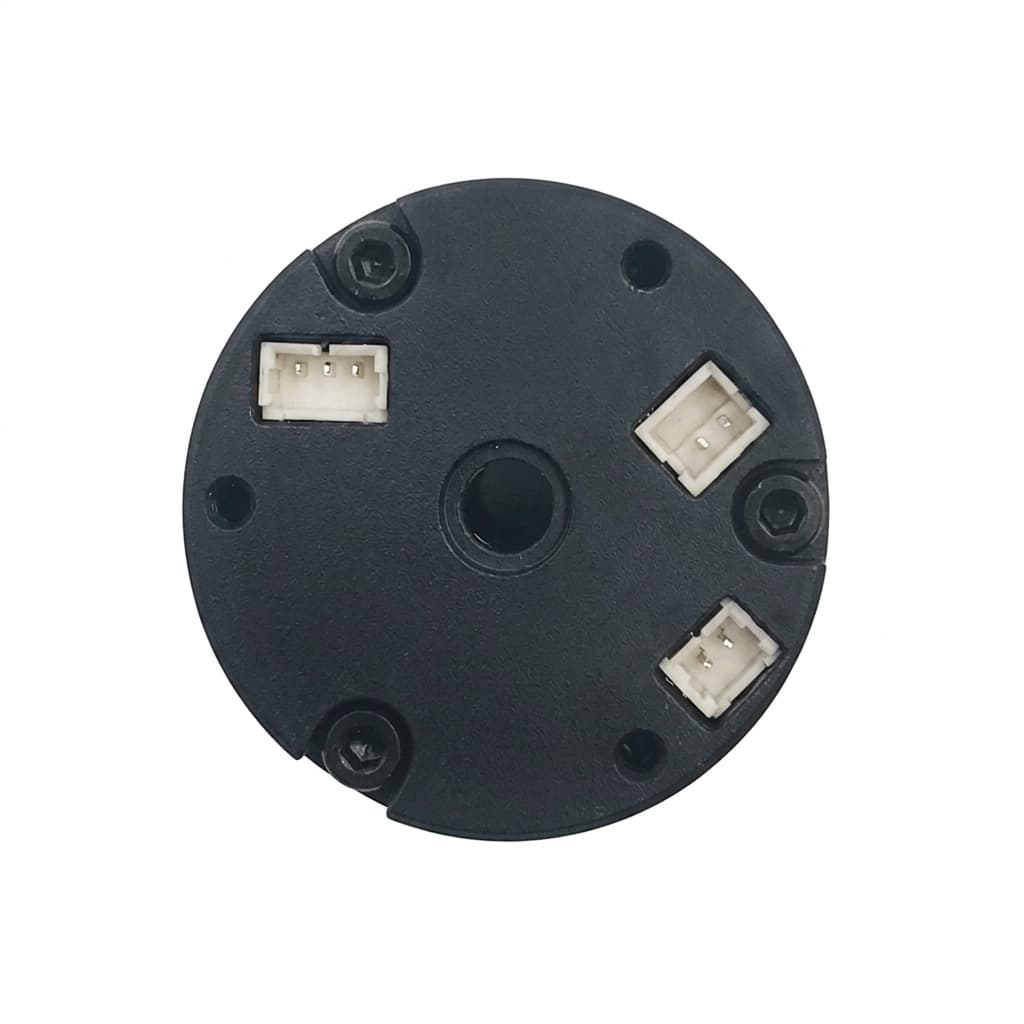
Size hollow-shaft robot joint servos with bore, cable torsion, and PWM shielding checks. Compare harness options and prepare an engineering RFQ for your robot.

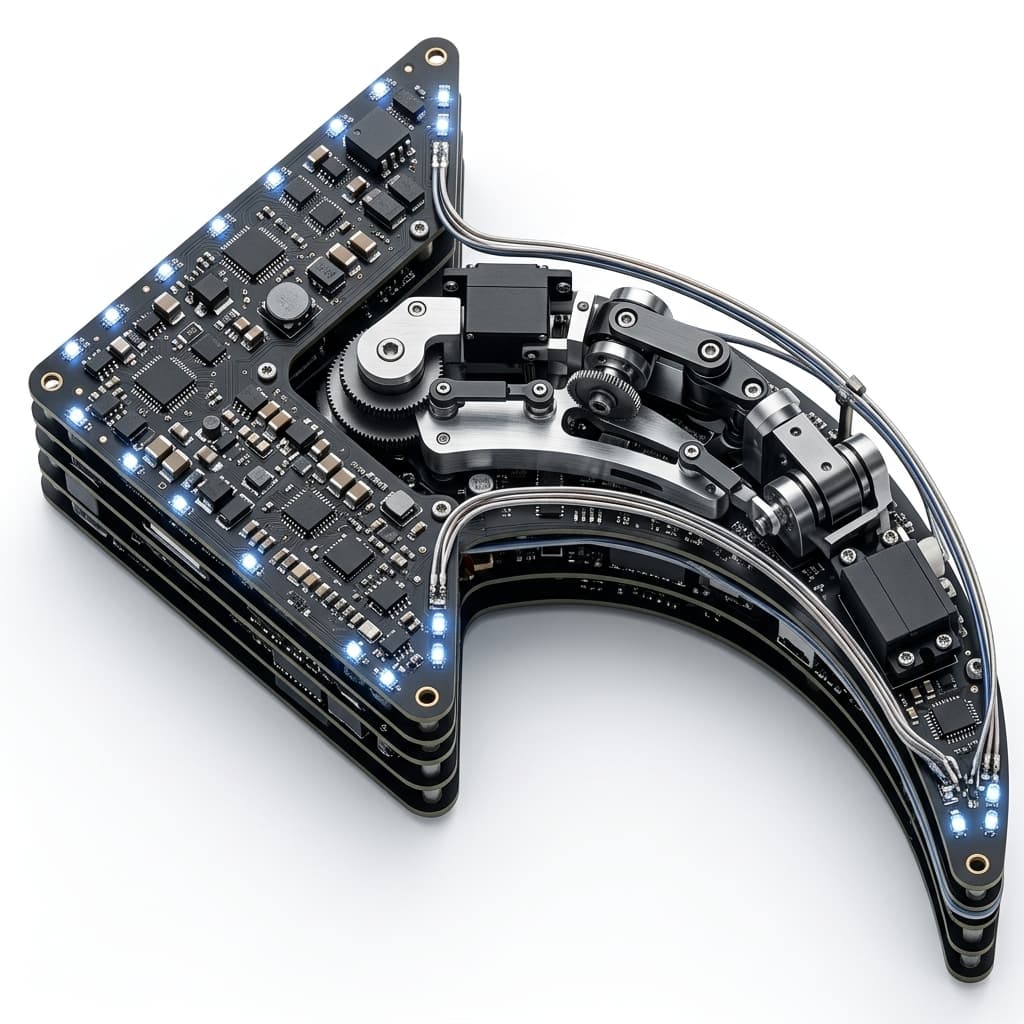
Specify dynamic ingress protection for robot joint servos: compare IP65, IP67 and IP69K, size seals and vents, and prepare acceptance criteria for your next RFQ.
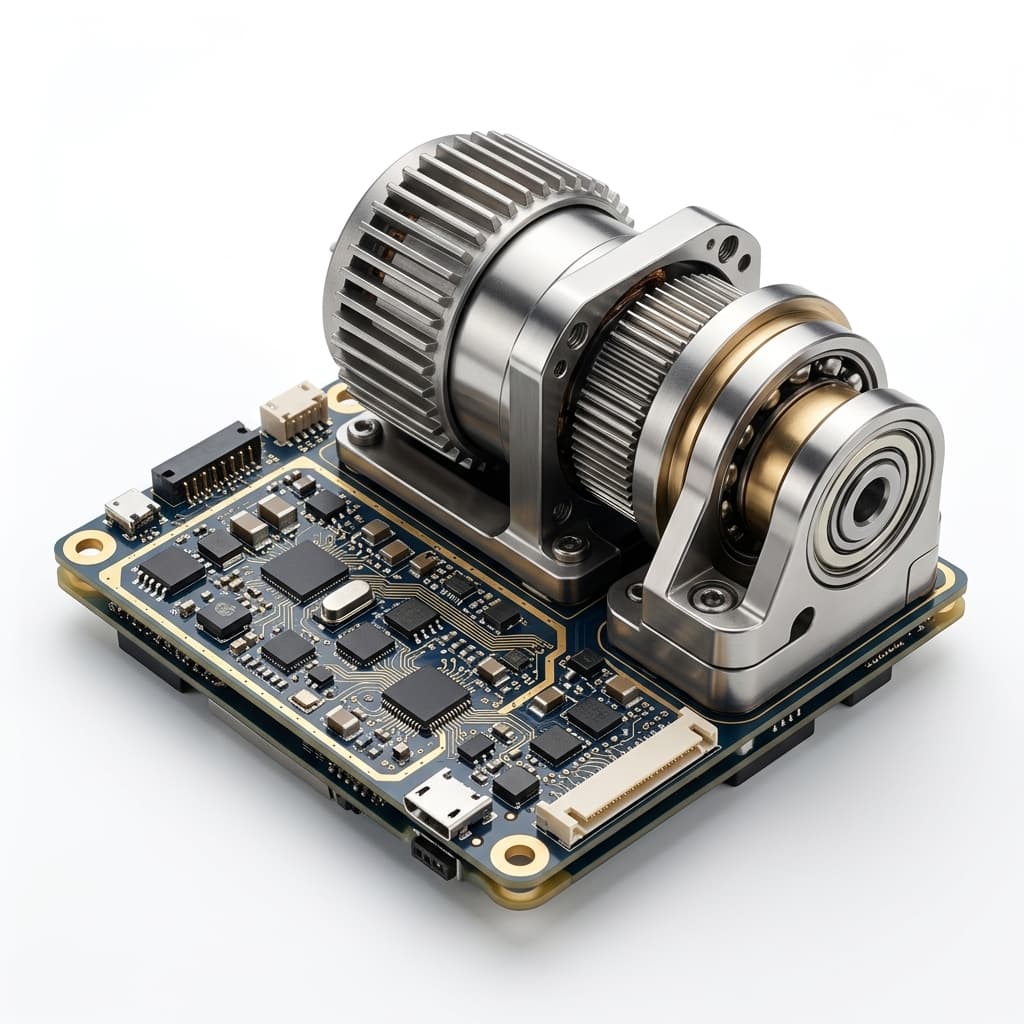
Compare battery-less multi-turn absolute encoders for robot servos. Check magnetic immunity, unpowered tracking and BiSS-C sizing, then prepare your actuator RFQ.
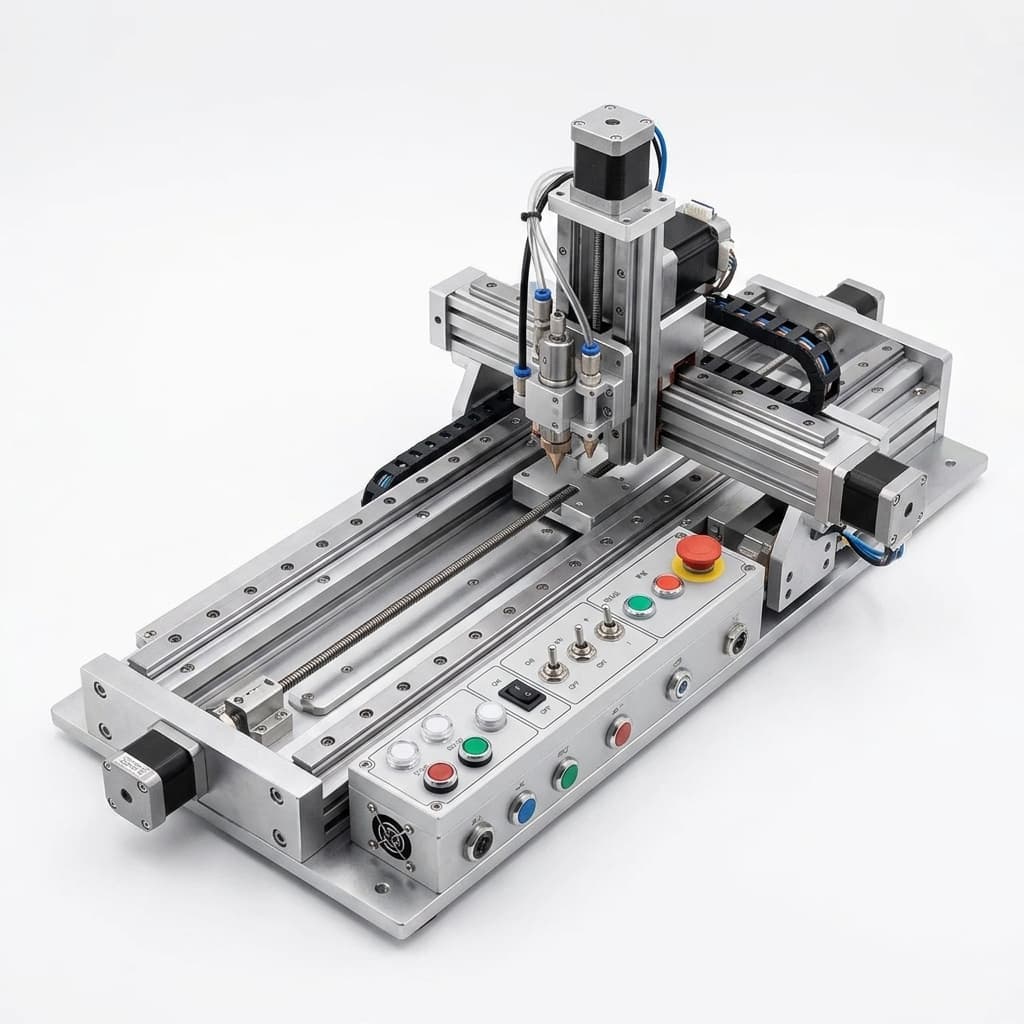
Size capacitors and shunts for regenerative braking and DC bus overvoltage in 24V–72V robot servos. Compare power architectures and request a design review.
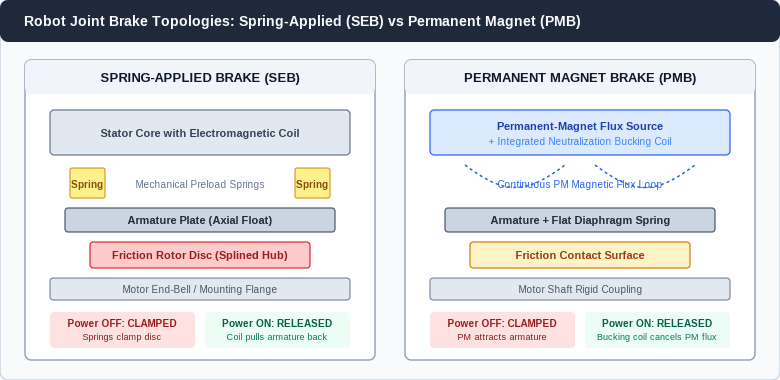
Size holding brakes for robot joint servos, compare response time and PWM heating, and use the engineering checklist to prepare your custom actuator brake RFQ.
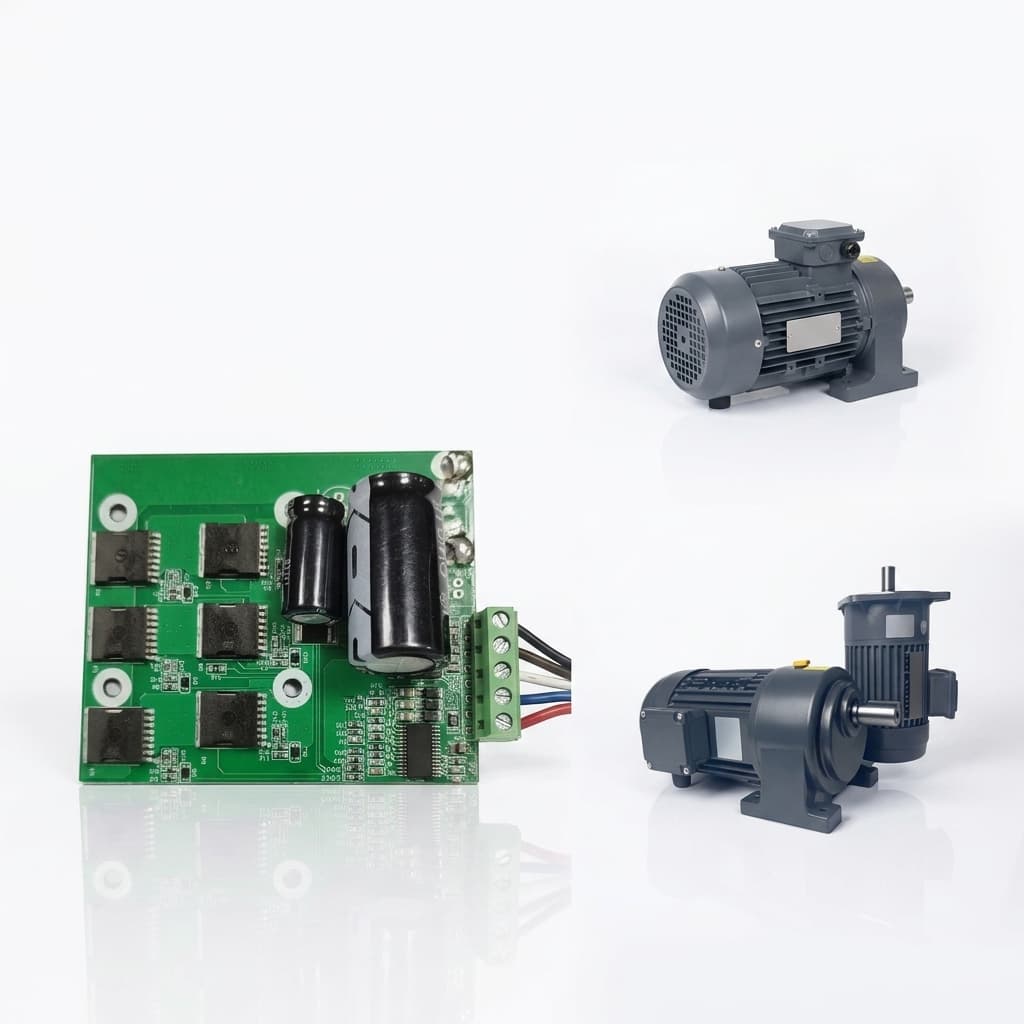
Specify Safe Torque Off (STO) for 24V–72V robot servo drives. Compare OSSD filtering, SS1 and brake coordination, then prepare a safety-focused engineering RFQ.