Resources
This library is built for procurement and engineering alignment, not general marketing reading. Each article includes decision criteria, risk controls, and practical actions you can reuse in real RFQ and validation workflows.
Read articles in decision order so your team moves from model screening to RFQ quality and then to customization governance without missing critical handoff details.
| Project Stage | Recommended Article | Decision Output |
|---|---|---|
| Engineering | Hollow-Shaft Robot Joint Servos: Sizing Through-Bores, Cable Torsion Fatigue, and High-Frequency PWM EMI Shielding | Reusable acceptance criteria and checklists for supplier communication. |
| Engineering | Dynamic Ingress Protection (IP65, IP67, IP69K) in Sealed Robot Joint Servos: Sizing Rotary Seals, Managing Thermal Vacuum Breathing, and Acceptance Testing Guide | Reusable acceptance criteria and checklists for supplier communication. |
| Engineering | Battery-less Multi-Turn Absolute Encoders in Robot Joint Servos: Sizing, Magnetic Immunity, and Sourcing Guide | Reusable acceptance criteria and checklists for supplier communication. |
You can also filter by buyer intent in our engineering, robot servo, and RFQ categories.
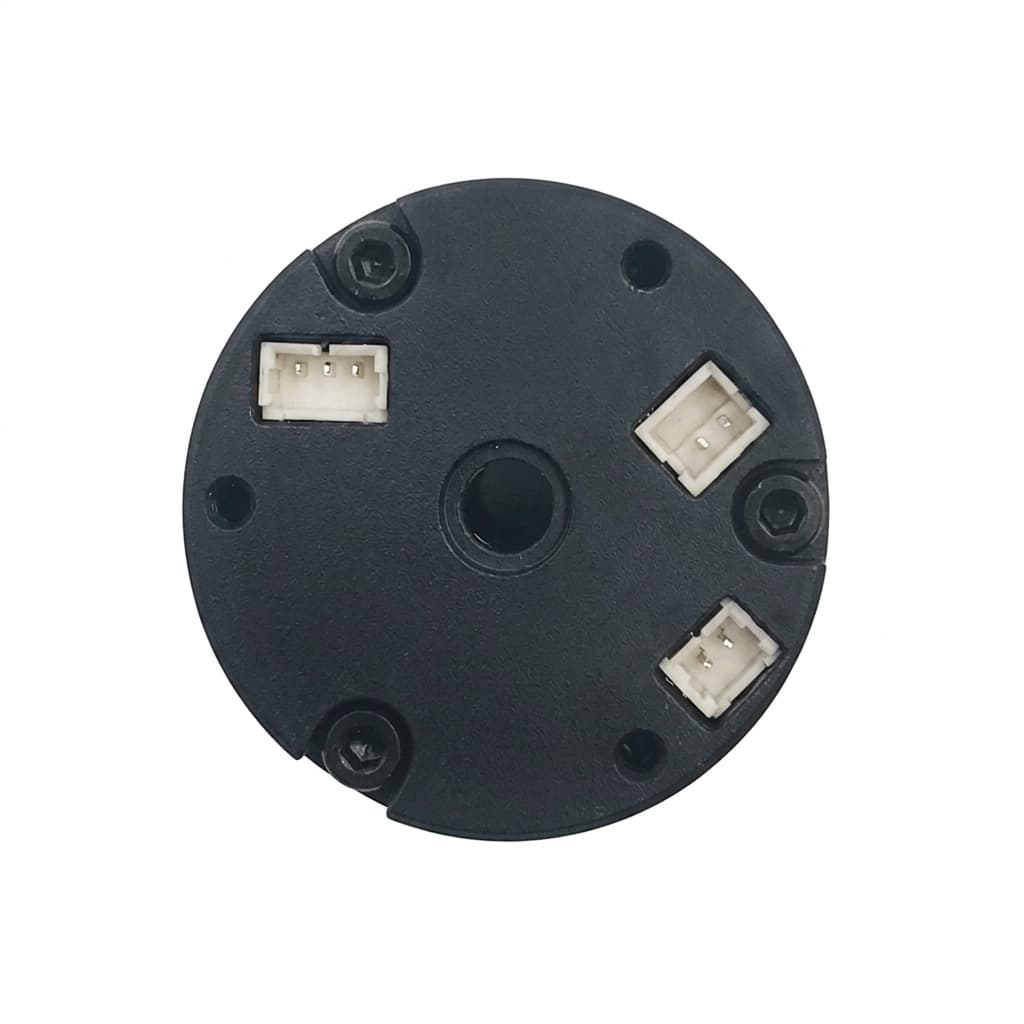
Size hollow-shaft robot joint servos with bore, cable torsion, and PWM shielding checks. Compare harness options and prepare an engineering RFQ for your robot.

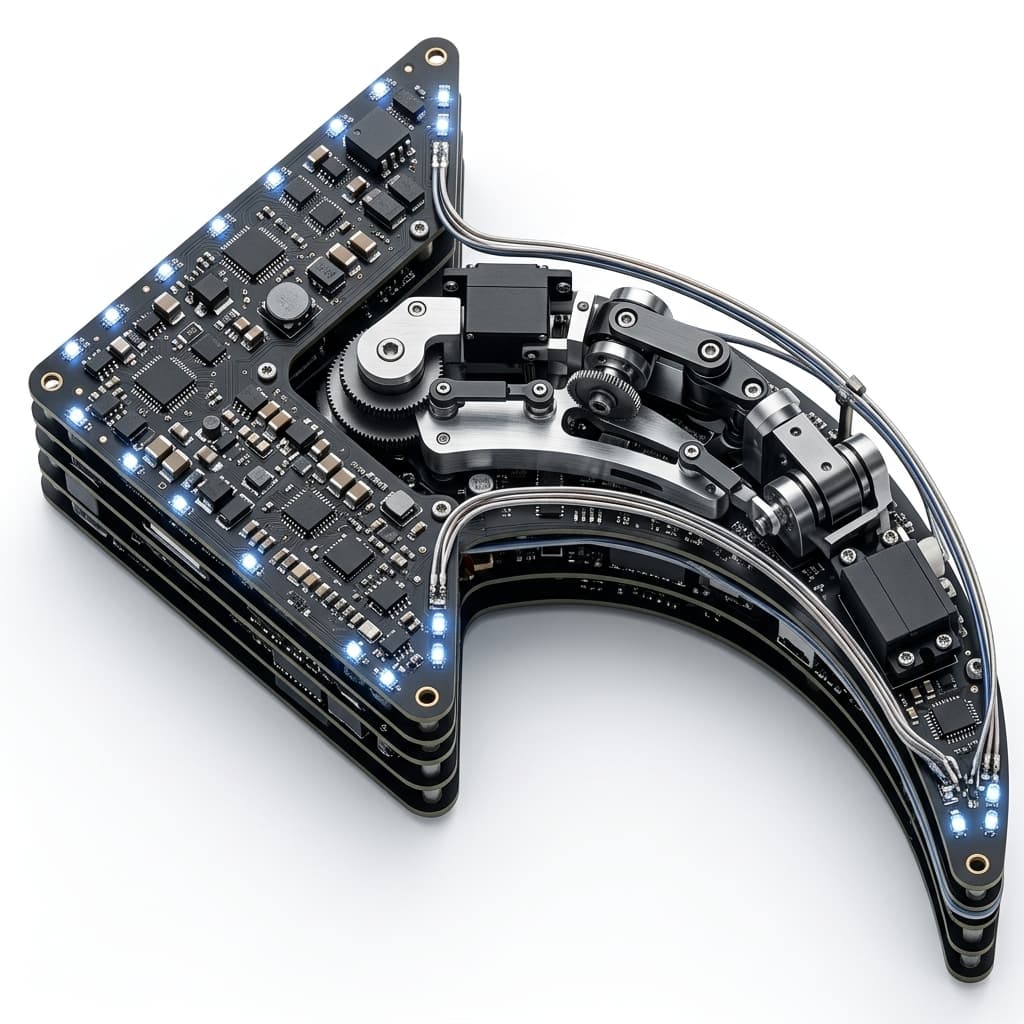
Specify dynamic ingress protection for robot joint servos: compare IP65, IP67 and IP69K, size seals and vents, and prepare acceptance criteria for your next RFQ.
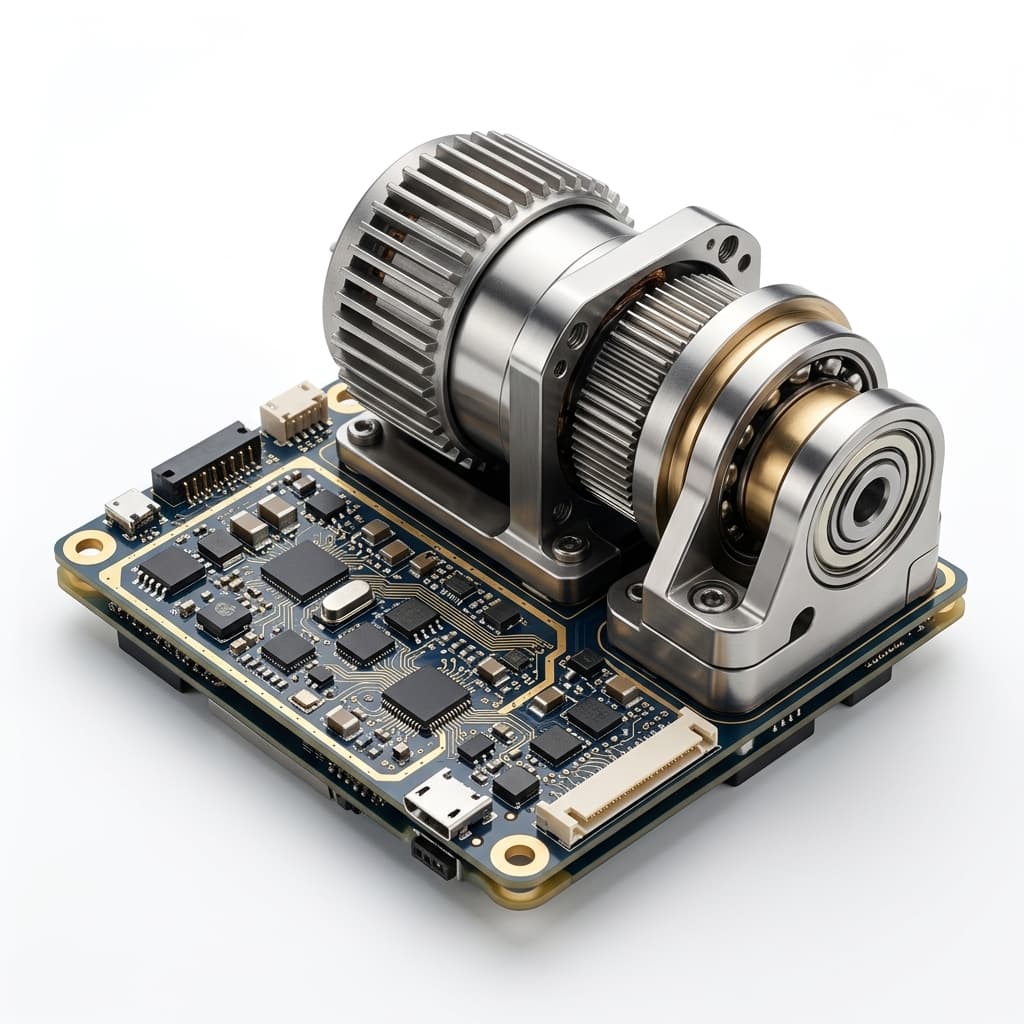
Compare battery-less multi-turn absolute encoders for robot servos. Check magnetic immunity, unpowered tracking and BiSS-C sizing, then prepare your actuator RFQ.
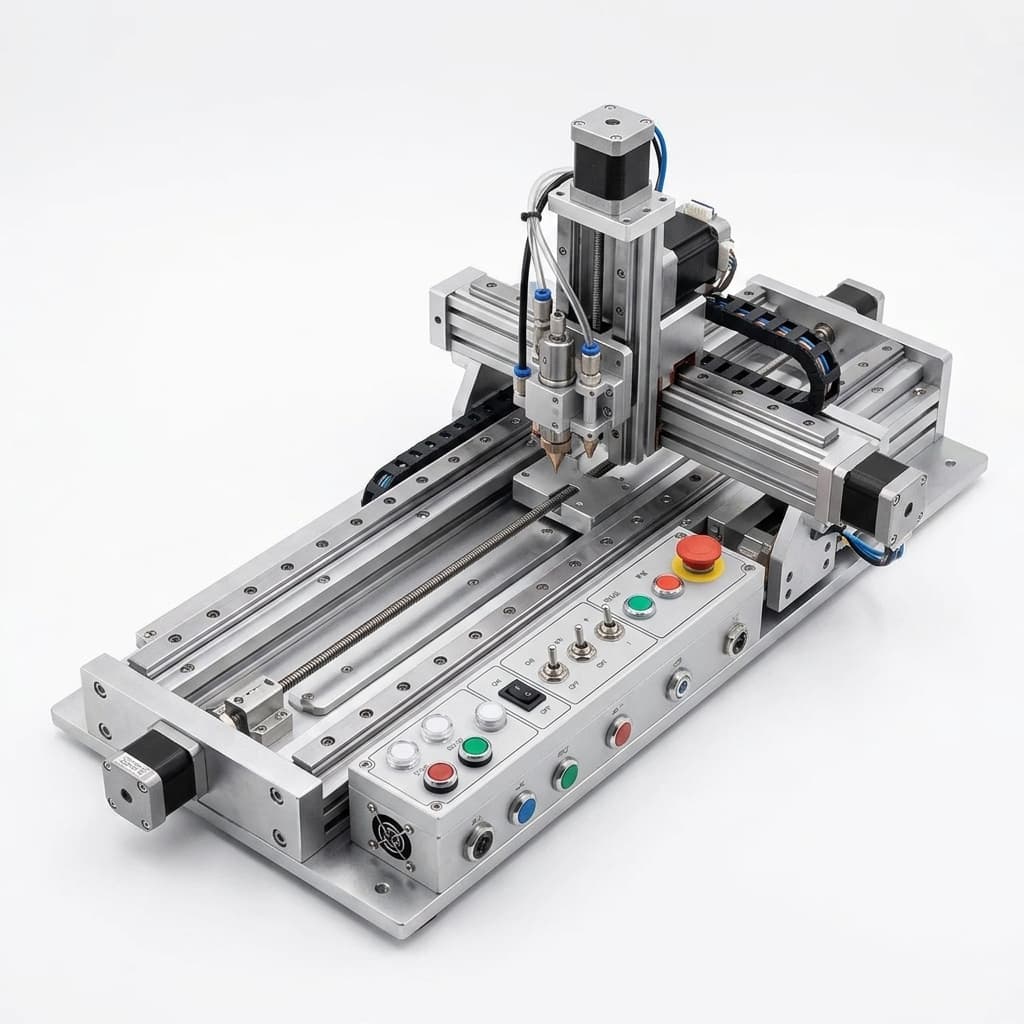
Size capacitors and shunts for regenerative braking and DC bus overvoltage in 24V–72V robot servos. Compare power architectures and request a design review.
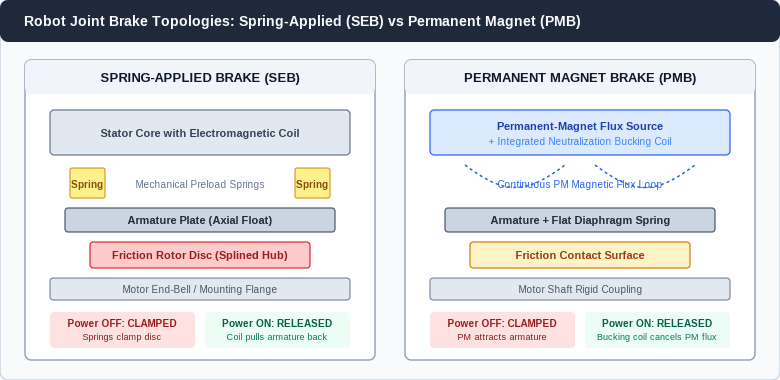
Size holding brakes for robot joint servos, compare response time and PWM heating, and use the engineering checklist to prepare your custom actuator brake RFQ.
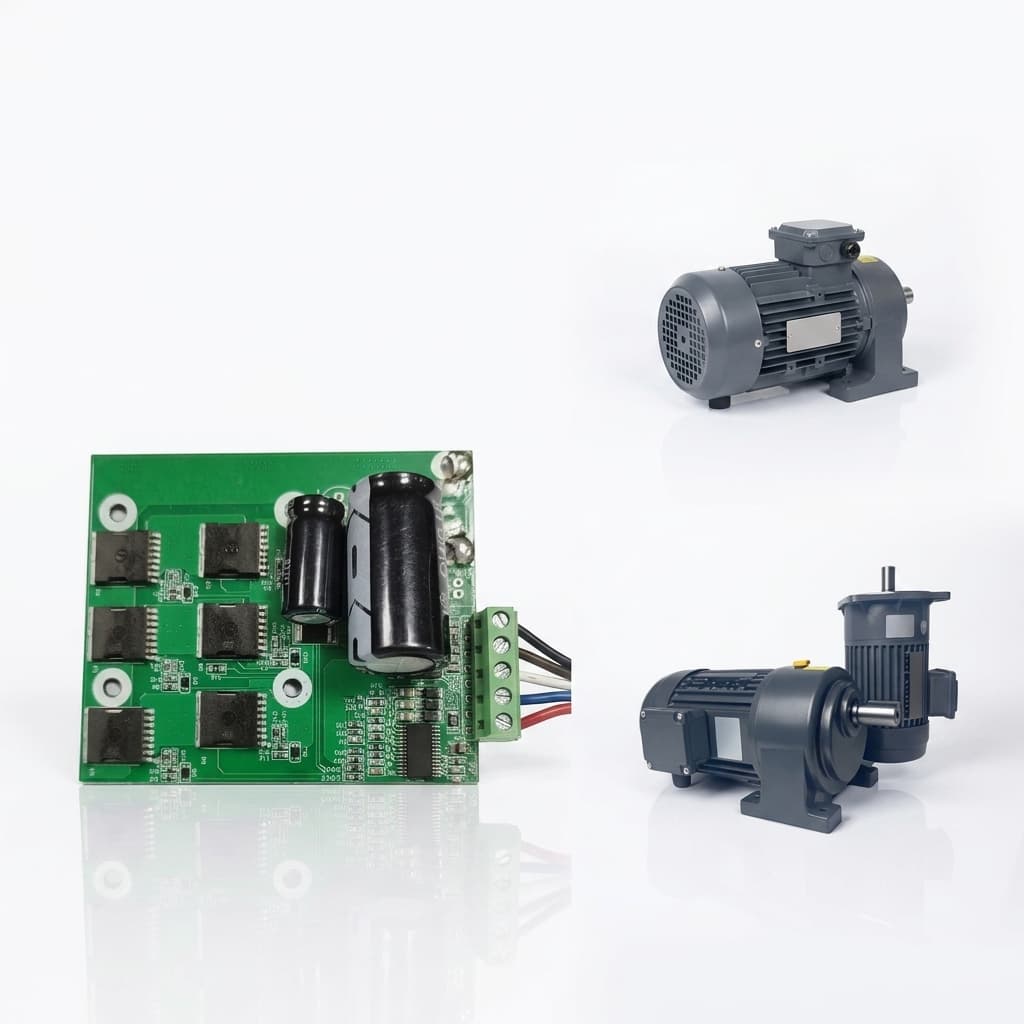
Specify Safe Torque Off (STO) for 24V–72V robot servo drives. Compare OSSD filtering, SS1 and brake coordination, then prepare a safety-focused engineering RFQ.